In over 25 years of surveying properties across Surrey, Kent and West London, I've seen a lot of defects. Some are trivial. Some are terrifying. Most are somewhere in between – significant enough to warrant attention, but entirely manageable if you know what you're dealing with.
This is a Surrey Surveyor's honest guide to the ten defects we come across most regularly. For each one, I've given an approximate repair cost range based on current Surrey contractor rates. These figures should be treated as a guide only – actual costs vary considerably depending on the extent of the problem and the specific property.
1. Rising Damp
Rising damp occurs when moisture from the ground migrates up through masonry walls by capillary action. It's particularly common in Victorian and Edwardian properties that either never had a damp-proof course (DPC) or have a DPC that has deteriorated over time.
Signs include: tide marks on plaster at low level, salting and blown plaster, peeling wallpaper or paint at skirting level, and a musty smell. Our damp specialists use a calibrated moisture meter to distinguish genuine rising damp from condensation (which mimics many of the same symptoms).
Approximate repair cost: £800–£2,500 per affected wall (chemical DPC injection plus re-plastering with renovating plaster).
2. Penetrating Damp
Penetrating damp is caused by water entering the building from outside – typically through defective pointing, faulty guttering, missing roof tiles, or cracked render. It can affect any part of the external envelope.
This is different from rising damp and requires a different fix. The key is identifying and eliminating the source of water ingress before dealing with the internal symptoms.
Approximate repair cost: £300–£3,000+ depending on cause and extent (from repointing a small area to replacing a section of roof or guttering).
Surveyor's Note on Damp
In our experience, a significant proportion of properties marketed as having "damp issues" are actually suffering from nothing more than condensation caused by inadequate ventilation – which costs very little to address. A proper moisture meter survey distinguishes between the three types and prevents homeowners from paying for unnecessary chemical injection works.
3. Structural Cracks
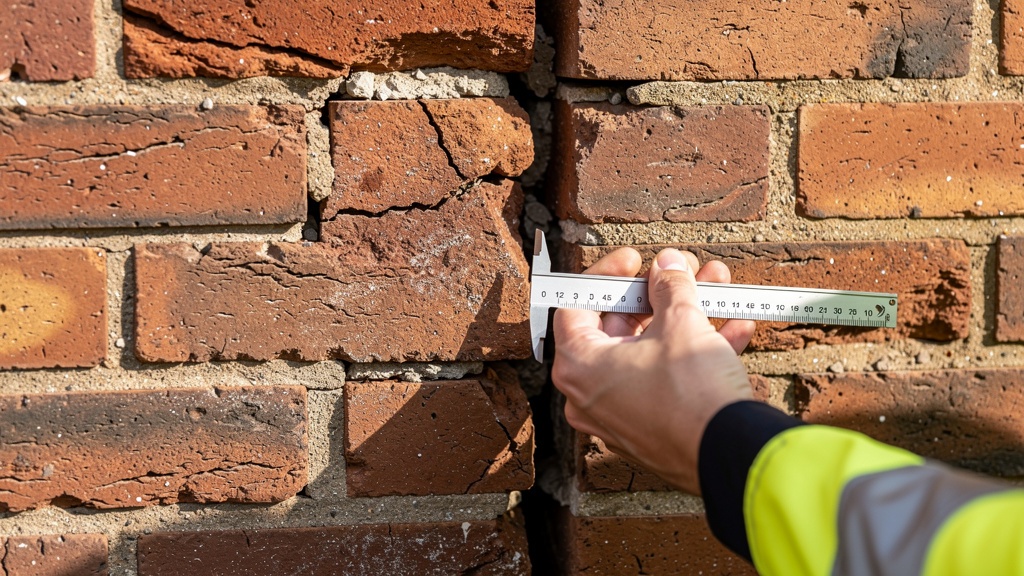
Not all cracks are equal. A thin hairline crack in plasterwork is usually the result of normal thermal movement and is cosmetic. A crack wider than about 5mm, or one that runs diagonally from a door or window corner, is potentially more significant – especially if it tapers or is accompanied by out-of-plumb walls.
In Surrey, subsidence caused by clay shrinkage (particularly during dry summers), and by tree root activity, is a genuine concern in many areas. Areas of particular risk include parts of north Surrey and the clay soils of the Weald.
Approximate repair cost: £2,000–£30,000+ depending on cause and extent (from simple crack stitching to underpinning).
4. Roof Covering Defects
Roof problems range from a handful of slipped or cracked tiles to complete failure of the weatherproofing. Common issues include: failed mortar bedding and pointing to ridge and hip tiles, slipped or missing slates, defective flat roof coverings (felt, GRP, asphalt), and failed lead flashings around chimneys and dormer windows.
In Surrey, many older properties have original clay or natural slate roofs which, when maintained correctly, can last well over 100 years. When they fail, though, the cost of a full re-roof is significant.
Approximate repair cost: £300–£500 for minor localised repairs; £6,000–£20,000+ for a full re-roof depending on size and material.
5. Timber Decay (Wet Rot and Dry Rot)
Wet rot is localised timber decay caused by prolonged exposure to moisture. It commonly affects window frames, external door frames, fascia boards, soffits, and roof timbers in poorly ventilated roof spaces. Dry rot is considerably more serious – it can spread through masonry and affect large areas of timber structure if left untreated.
Both require the source of moisture to be resolved, and all affected timber to be treated or replaced.
Approximate repair cost: £500–£3,000 for wet rot to window frames and fascias; £3,000–£20,000+ for a dry rot outbreak requiring specialist treatment and structural timber replacement.
6. Defective or Blocked Drainage
We always recommend a CCTV drain survey as part of a pre-purchase survey for older properties. Cracked or displaced drain runs (often caused by tree root ingress or ground movement), blocked gullies and manholes, and shared drain arrangements are all common in Surrey's older housing stock and can be expensive to rectify.
Approximate repair cost: £500–£5,000+ depending on the nature and extent of the defect.
7. Chimney Defects
Chimneys are one of the most frequently defective elements in older Surrey homes. Common problems include: failed mortar pointing (leading to water ingress), spalling brickwork, defective lead flashings at the junction with the roof, failed flaunching, and structural movement. Many older chimneys also have cracked or incorrectly sized flues that make them unsafe to use.
Approximate repair cost: £800–£4,000 for repointing and flashing repairs; partial or complete rebuilding can cost £3,000–£10,000+.
8. Defective Windows
Failed double-glazed units (evidenced by misting or condensation between the panes), rotting timber window frames, and poorly fitted or draught-prone windows are among the most common findings in our Surrey survey reports. In older properties, original single-glazed sash windows often need to be carefully restored rather than replaced.
Approximate repair cost: £100–£400 per sealed unit replacement; full timber window replacement can cost £600–£2,500+ per window.
9. Electrical Installation Issues
While we don't carry out formal electrical testing (you'd need a registered electrician for that), we regularly identify older or potentially unsafe electrical installations in the properties we survey. Rubber-insulated wiring (pre-1970s), unboxed junction boxes, outdated fuse boards, and single-socket circuits not protected by RCDs are all red flags we flag in our reports.
Approximate repair cost: £300–£600 for a consumer unit upgrade; £2,500–£5,000+ for a full rewire of a typical 3-bedroom Surrey home.
10. Inadequate Insulation
Surrey's older housing stock – built long before modern insulation standards existed – is often poorly insulated. Absent or inadequate loft insulation, uninsulated cavity walls, and single-glazed windows all contribute to heat loss and high energy bills. With energy efficiency becoming increasingly important for property values and mortgage eligibility, this is an issue more buyers and sellers are paying attention to.
Approximate repair cost: £300–£600 for loft insulation top-up; £400–£1,000 for cavity wall insulation; double-glazed window replacement costs vary widely.
What to Do If You Discover a Defect
Discovering a defect in a survey report can feel alarming. But remember: the whole point of commissioning a survey is to find out about these things before you commit to a purchase. Our advice:
- Don't panic – most defects are fixable and many are common in properties of a particular age.
- Use the repair cost estimates in the report to renegotiate the purchase price or request works prior to completion.
- Get independent contractor quotes for serious defects before proceeding.
- Speak to your Surrey surveyor about the relative urgency of each finding – not all defects need immediate action.
At Surrey Surveyor, our reports always prioritise findings so you know what's urgent and what can wait. And we're always available to discuss the findings with you after the report is delivered.
Frequently Asked Questions
Hairline cracks (up to 1mm wide) and fine random shrinkage cracks in plaster are almost always cosmetic. Cracks wider than 3mm, diagonal cracks running from corners of windows and doors, or cracks that can be felt with a finger (i.e., there's a step on one side) warrant professional assessment. Our surveyors use the Building Research Establishment's established crack classification system to assess severity.
Not necessarily. Damp is very common in older properties and, in most cases, is entirely fixable. The key questions are: what type of damp is it, what's the cause, and what will it cost to fix? Our surveys identify all three – giving you the information you need to make an informed decision about whether to proceed.
Yes – our defect analysis service is available to existing homeowners who want an expert assessment of a specific concern. We'll investigate the defect, explain the cause, and provide repair recommendations and cost guidance.
Properties on London Clay soils – which covers a large swathe of north and east Surrey – are most at risk of subsidence, particularly during hot, dry summers. Areas around Guildford, Woking, Leatherhead and parts of the Reigate/Redhill area can be affected. This is why our Level 3 surveys always include an assessment of the geological context.
Our repair cost estimates are based on current Surrey contractor rates and are intended as a guide for budgeting and negotiation purposes. We always recommend obtaining independent contractor quotes before starting any works. In complex cases, we can also recommend specialist contractors we've worked with in the area.