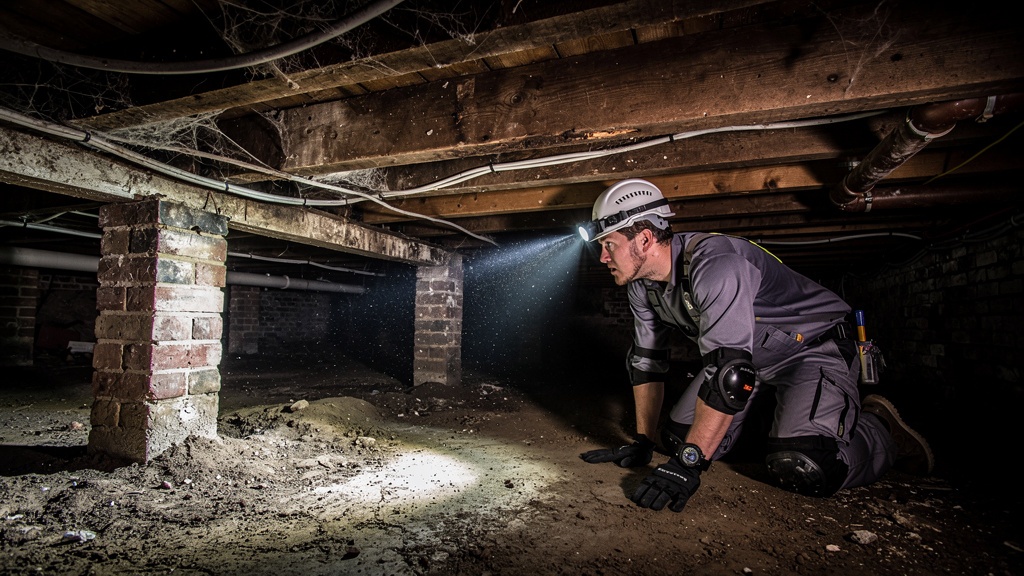
Floor joists are the structural timbers that support the floors in most pre-1920s homes, and in many homes built right up to the 1980s. They're largely hidden – tucked beneath the floorboards and above the ceiling of the room below. Which means that problems with them often go unnoticed until they become serious.
In my experience surveying Surrey homes, floor joist defects are among the most under-appreciated structural risks in older properties. They can range from minor maintenance issues to significant structural failures – and a good survey will tell you which end of that spectrum you're dealing with.
What Are Floor Joists?
Floor joists are horizontal structural timbers that span between load-bearing walls or beams, providing the structural deck that supports the floor above. In a typical Surrey Victorian house, the ground floor joists sit on small brick piers (called "sleeper walls") above the earth in the sub-floor void, while upper floor joists are built into the walls.
The sub-floor void is critical: it needs to be adequately ventilated through airbricks in the external walls to prevent the build-up of moisture that leads to timber decay.
Signs of Floor Joist Problems
From above (walking on the floor)
- Bouncy or springy floors – some spring is normal; excessive movement suggests joist problems
- Creaking or squeaking – not always structural, but can indicate loose boards or damaged joists
- Sloping or uneven floors – the floor appears to dip or slope away from the walls
- Cracks in ceiling plaster below – particularly long, parallel cracks running perpendicular to the joists
From below (inspecting the sub-floor)
- Visible decay (softness, discolouration, crumbling) in the joist timber
- White or grey fungal growths (wet rot or dry rot)
- Woodworm holes (tiny circular holes with fine dust)
- Blocked or damaged airbricks reducing ventilation
- Water pooling or soil contamination in the sub-floor void
Common Causes of Floor Joist Defects
1. Wet rot from inadequate ventilation
The most common cause of floor joist defects in Surrey's older housing stock is insufficient sub-floor ventilation. When the airbricks in the external walls become blocked (by raised external ground levels, debris, or deliberate insulation), moisture builds up in the sub-floor void. This leads to wet rot in the joist ends, the sleeper wall plates, and the ends of the boards themselves.
2. Dry rot
Dry rot is less common but considerably more serious. It spreads through the timber and can cross masonry, affecting areas well beyond the original source. If dry rot is present in a ground floor structure, it requires immediate specialist treatment and can have significant implications for the whole property.
3. Notching and drilling by tradespeople
Floor joists are frequently notched or drilled to accommodate pipes and cables. If this is done incorrectly (too deep, too close to the ends, or in structurally critical positions), it can significantly reduce the structural capacity of the joist. This is a particular concern in properties that have been updated by non-specialist tradespeople.
4. Overloading
Original Victorian floor joists were designed for domestic loads. Modern items like heavy kitchen furniture, baths, and particularly tiled wet room floors can exceed the original design loads if the floor is not properly assessed and strengthened beforehand.
5. Joist end decay in external walls
In many older Surrey properties, the floor joists bear directly into the external walls at their ends. Where damp penetrates the wall at these joist ends, decay can occur – sometimes without any visible signs at floor level.
Surveyor's Note
The Level 3 Building Survey is specifically designed to access and inspect below-floor areas where safely possible. In properties where we identify concerns from above (bouncy floors, cracked ceilings), we specifically investigate the sub-floor condition. This is one of the key reasons why a Level 3 survey provides so much more protection than a Level 2 for older properties.
Repair Costs for Floor Joist Defects in Surrey
Costs vary enormously depending on the extent of the decay and the size of the property.
- Clearing blocked airbricks and improving ventilation: £200–£500
- Replacing isolated sections of damaged joist: £800–£2,000
- Replacing all ground floor joists in a 3-bed house: £4,000–£9,000+
- Dry rot treatment (including eradication and replacement): £2,000–£20,000+
- Structural strengthening of notched or cut joists: £500–£3,000
What Should You Do If You Find Floor Joist Problems?
- Don't ignore bouncy or uneven floors – get a proper structural assessment.
- If buying a property, ensure your surveyor inspects the sub-floor if accessible.
- Use our estimated repair costs to negotiate a price reduction.
- For dry rot, always use a specialist contractor and get a guarantee.
- Ensure adequate sub-floor ventilation in any older property you own – clear airbricks annually.
Frequently Asked Questions
Not always. Squeaking is often caused by loose floorboards rubbing against each other or against nails, rather than any structural issue. However, if squeaking is accompanied by significant floor movement, sagging or other signs of defect, it's worth investigating further. Our surveys differentiate between cosmetic squeaking and structurally significant movement.
Yes – but only with a thorough Level 3 Building Survey. The inspection includes accessing the sub-floor void where safely possible, testing floor springiness, looking for blocked airbricks and assessing any visible signs of decay. We specifically flag floor joist concerns in our reports with estimated remediation costs.
The most important preventive measure is maintaining adequate sub-floor ventilation. Ensure airbricks are clear and unobstructed. Check them annually – they're often blocked by fallen leaves, soil built up against the wall, or well-meaning (but misguided) draught-proofing. Also address any damp issues in external walls that might affect joist ends.
Concrete ground floors have some maintenance advantages (no ventilation issues, less risk of decay). However, replacing a suspended timber floor with concrete requires specialist advice – it can affect the damp-proof membrane, sub-floor drainage and the thermal performance of the ground floor. It's a project that should always involve a structural assessment before proceeding.
Significant floor joist decay – particularly dry rot – can affect a lender's willingness to lend. Some lenders will issue a retention (withholding funds until repairs are completed) or decline to lend until the defect is rectified. A specialist surveyor's report is typically required to lift a retention once repairs are completed.