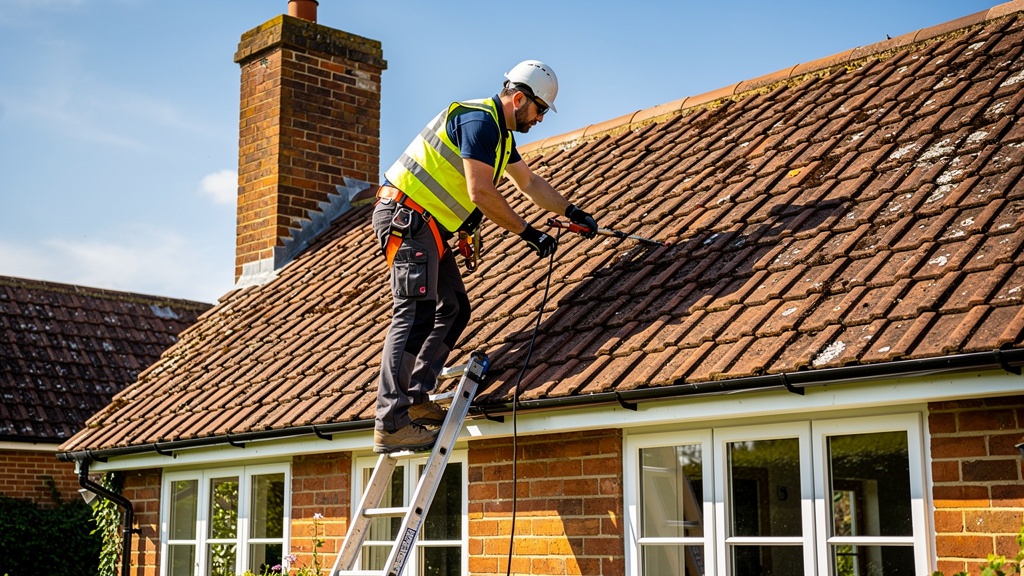
The roof is, arguably, the most important element of any property. When it works, you don't notice it. When it fails, the consequences can be catastrophic and expensive. In my years of surveying across Surrey, roof defects are consistently among the most significant findings – and among the most likely to catch buyers off guard.
This guide covers the most common roof defects I find in Surrey properties, how to spot them (even as a non-expert during a viewing), and what they typically cost to put right.
1. Slipped, Cracked or Missing Roof Tiles/Slates
Individual tiles or slates can slip, crack or be blown off during high winds. A few missing tiles may seem minor, but they can allow water ingress to the roof timbers and insulation below, leading to much more serious damage if left unaddressed.
What to look for: From the ground, gaps or dark patches in the roof covering. Inside, look for staining on the ceiling below or in the roof space (if accessible).
Repair cost: £150–£500 for isolated localised repairs; more if there are widespread slipped or cracked tiles across the whole roof slope.
2. Failed Mortar Bedding and Pointing to Ridge and Hip Tiles
The large tiles at the ridge (top) and hips (angled corners) of pitched roofs are typically bedded in mortar. Over time, this mortar degrades, crumbles and allows the tiles to become loose or dislodged. Failed ridge tiles are extremely common in Surrey's older housing stock.
What to look for: Loose-looking or displaced tiles at the ridge line, chunks of mortar on the ground below.
Repair cost: £600–£1,500 for re-bedding and re-pointing ridge and hip tiles on a standard semi. A dry-ridge system (which eliminates the need for mortar) typically costs more upfront but is lower maintenance long-term.
3. Defective Chimney Flashings
The junction between the chimney stack and the roof slope is sealed with lead flashings. These are a common point of failure, particularly where they have been repaired with mortar (a poor substitute for lead) or where the lead itself has cracked, lifted or corroded.
What to look for: Staining on the ceiling below the chimney or on internal chimney breast walls; visible mortar patches on flashings rather than lead; flashing that is not tucked into the masonry.
Repair cost: £300–£800 for lead flashing repairs; £500–£1,500+ for a full lead flashing replacement to a chimney stack.
4. Flat Roof Defects
Flat roofs – common on extensions, garage roofs and some 1960s–80s properties – have a significantly shorter lifespan than pitched roofs and are more prone to failure. Traditional felt flat roofs have a typical lifespan of 10–20 years. GRP (fibreglass) and EPDM rubber roofs are more durable.
What to look for: Blistering, cracking, ponding water (visible as staining rings), moss growth, or evidence of previous patch repairs.
Repair cost: £500–£1,500 for localized repairs to a small flat roof; £2,000–£5,000+ for a complete flat roof replacement on a single-storey extension.
Surveyor's Tip
If the property has a flat roof extension and the selling agent says it was "recently replaced," always ask for documentation. We regularly find flat roofs that look newer than they are, or that have been patched rather than replaced. Our Level 3 surveys probe these areas specifically.
5. Defective Valley Gutters and Parapet Gutters
Internal valley gutters (where two roof slopes meet) and parapet gutters (behind raised walls on flat-roofed sections) are particularly prone to failure and blockage. A blocked or leaking valley gutter can cause significant water ingress that may be entirely invisible from below until significant damage has occurred.
What to look for: Staining on ceilings that doesn't correspond with obvious roof defects; evidence of water running down internal walls.
Repair cost: £400–£2,000+ depending on the extent of the defect and whether significant structural timber is affected.
6. Roof Structure Problems
The timber structure beneath the tiles – rafters, purlins, ridge boards and wall plates – can suffer from timber decay (wet rot or dry rot), insect attack (woodworm), or insufficient structural support. These issues are only visible when the roof space is inspected, which is why our Level 3 surveys always include a thorough roof space inspection.
What to look for: Sagging roof lines visible from outside; springy or bouncy sections of roof covering.
Repair cost: Highly variable – from £800–£2,000 for localised rafter repairs to £5,000–£20,000+ for significant structural roof repairs.
7. Lead-Lined Dormer Cheeks and Abutments
Dormer windows are a common feature of Surrey's extended Victorian and Edwardian homes. The junctions between the dormer walls and the main roof slope are typically sealed with lead. Old or poorly installed lead at these junctions is a frequent cause of water ingress.
Repair cost: £400–£1,200 for lead flashing repairs to dormer abutments.
What to Do If a Roof Defect Is Identified in Your Survey
- Get the repair costs confirmed by an independent, registered roofing contractor (not one recommended by the vendor).
- Use the confirmed costs to negotiate a price reduction or request repairs prior to completion.
- Factor in the cost of any associated internal repairs (ceiling replacement, decoration) that may be needed.
- Check whether the defects might affect your buildings insurance or mortgage offer.
Frequently Asked Questions
We inspect the roof externally using binoculars and, where accessible and safe, from a ladder. We also inspect the roof space internally – looking at the roof timbers, underside of tiles and insulation from the loft hatch. Our reports describe exactly what we could and couldn't access and explain our findings clearly.
In most cases, a thorough Level 3 Building Survey provides sufficient information about the roof. Where we identify significant concerns, we may recommend a specialist roofer's report in addition. We'll advise if this is the case.
A well-maintained natural slate or clay tile roof can last 80–150 years or more. Concrete tiles have a shorter lifespan of typically 40–60 years. The roof structure (timbers) can last centuries if kept dry and well maintained. Regular inspection and maintenance – clearing gutters, replacing individual damaged tiles – is the key to longevity.
Potentially, yes. If a mortgage valuer identifies roof defects that affect the property's habitability or its value, the lender may issue a retention (withholding part of the mortgage) or decline to lend until the defects are remedied. This is another reason why a survey is essential – finding out before the lender's valuer can allow you to negotiate remediation into the sale.
From outside: look for missing or irregular tiles, sagging roof lines, visible mortar patches, and moss growth (which holds moisture). From inside: look at the ceilings in top-floor rooms for staining, and if you can access the loft, look for daylight, water staining on timbers, and damp insulation. Any of these are flags to discuss with your surveyor.