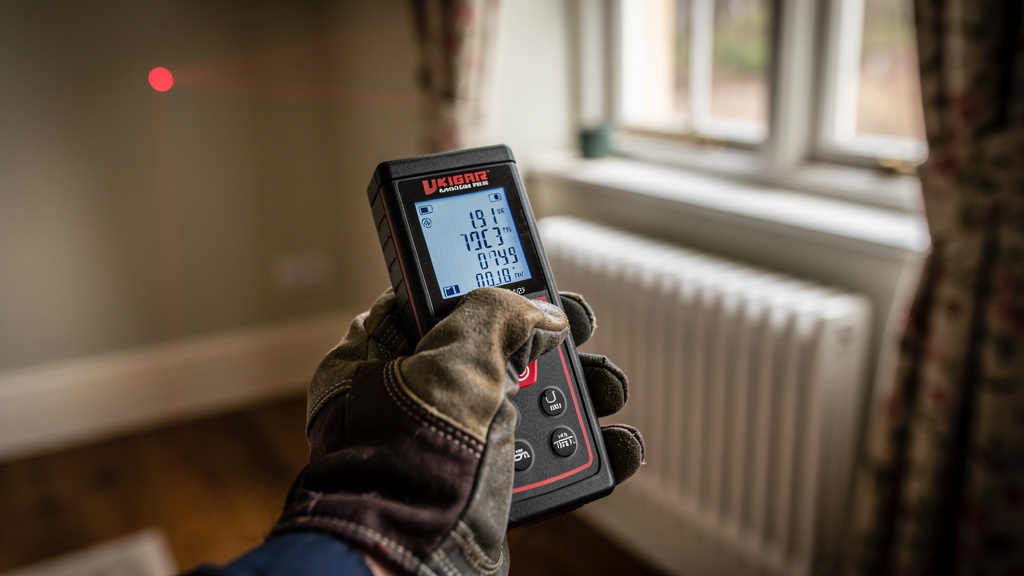
You've commissioned your Surrey Surveyor building survey, and now the report has landed in your inbox. It's detailed, it raises some issues, and you're not sure what to do next. Don't panic — this guide walks you through every step you should take after receiving your survey report.
Step 1: Read the Whole Report Before You React
This sounds obvious, but you'd be surprised how many buyers read the first few pages, see words like "urgent" or "significant" and immediately call their solicitor in a panic. Survey reports are written by trained professionals who are required to flag every potential issue they observe — including ones that are relatively minor or very common in properties of that age and type.
Read the full report carefully. Most RICS Level 2 and Level 3 reports use a traffic light or condition rating system: Condition Rating 1 (green) means no repair is needed in the near future, Condition Rating 2 (amber) means defects that need attention but are not urgent, and Condition Rating 3 (red) means serious defects that require immediate investigation or repair.
Focus on the Condition Rating 3 items first. These are the issues your surveyor is most concerned about. Then work through the Condition Rating 2 items with a clear head. A long list of amber items on an older property is entirely normal — it does not necessarily mean the property is a bad buy.
Step 2: Call Your Surveyor
Every good building surveyor will take a call from their client after issuing a report. At Surrey Surveyor, we actively encourage it. A phone conversation with your surveyor can clarify what the report means in practical terms, help you understand which issues are serious and which are routine, and give you a sense of priority when planning repairs.
Ask your surveyor:
- Which items on the report do they consider most significant?
- Are there any items where they would strongly recommend further investigation?
- What are the approximate costs to repair the main defects?
- Are there any items that might affect mortgage lending?
- Would they still recommend proceeding with the purchase?
That last question is perhaps the most important. A surveyor who has just inspected a property is uniquely well placed to give you an honest, experience-backed view on whether it's a sound purchase — even if they won't make the decision for you.
Step 3: Understand Which Issues Require Specialist Reports
A building surveyor's role is to inspect and report on a property's condition. They are not a structural engineer, a damp specialist, an electrician or a heating engineer. When a survey report recommends further investigation by a specialist, that recommendation should be taken seriously.
Common specialist investigations recommended in Surrey survey reports include:
Structural Engineer's Report
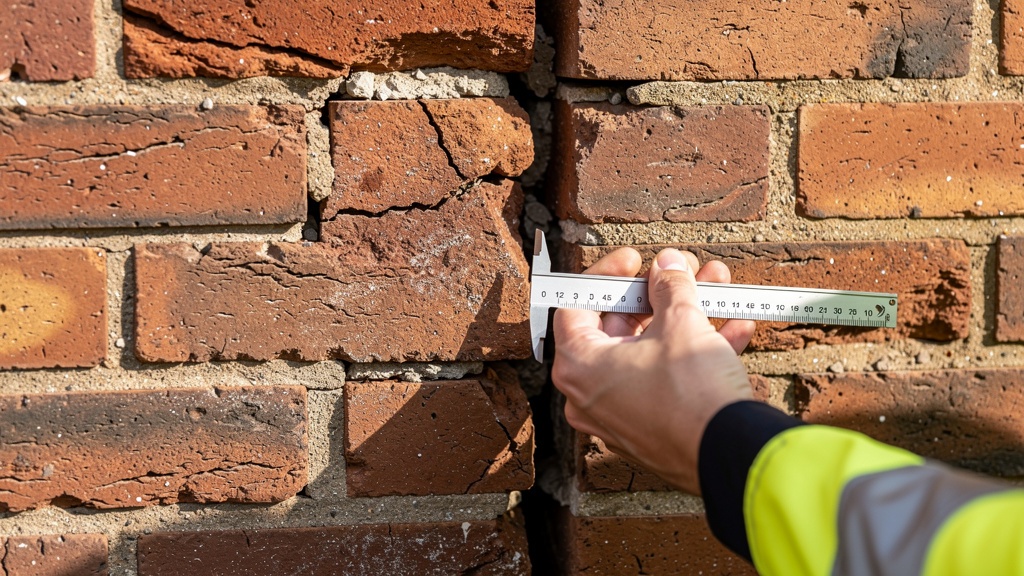
If your surveyor identifies significant cracking, signs of subsidence, movement in a structural wall or concerns about the foundation, they will typically recommend a structural engineer's assessment. This is particularly common in Surrey where properties on clay soils can be affected by seasonal shrinkage and expansion.
Damp and Timber Report
If significant damp is identified, your surveyor may recommend a specialist damp and timber survey. Be aware that these are sometimes carried out by companies who also sell remedial treatment products — this is a potential conflict of interest. Where possible, seek an independent damp specialist or ask your surveyor for a recommendation.
Electrical Installation Condition Report (EICR)
If the electrical installation is old (pre-2000 consumer units are particularly common in Surrey's older housing stock), an EICR by a qualified electrician is essential. Outdated wiring — including older aluminium wiring or rubber-insulated cables — can be a serious fire risk.
Gas Safe Certificate and Boiler Service
Always check when the boiler was last serviced, and commission a Gas Safe engineer to inspect the installation if no certificate is available.
Drainage Survey
For properties with suspected drainage issues, or older properties where the drainage system has not been recently inspected, a CCTV drain survey can reveal collapsed drains, tree root ingress or misaligned pipes. These are not uncommon in Surrey's older housing stock and can cost several thousand pounds to repair.
Step 4: Get Quotes for the Identified Defects
Once you have a clear picture of the defects and any specialist reports have been completed, obtain at least two quotes from reputable local contractors for the significant items. This does three things: it gives you a realistic cost of repair, it helps you decide whether the property is still worth the agreed price, and it gives you a basis for renegotiation with the vendor.
Be cautious of estimates provided by vendors or their estate agents. These are sometimes optimistic, and sellers have a natural interest in presenting repair costs as minimal. Get your own independent quotes.
Step 5: Consider Renegotiating the Purchase Price
This is where your survey report becomes a practical financial tool, not just a piece of paper. If the survey has revealed significant defects that were not known at the time of the offer, you have a legitimate basis for renegotiating.
There is no rule that says you must renegotiate, or that you should ask for the full cost of repairs. The art is in knowing what is reasonable. If your Level 3 Building Survey has identified £15,000 of significant repairs in a property you offered £450,000 for, it would be reasonable to request a reduction of £10,000–£15,000, particularly if the defects affect structural elements.
Your solicitor should handle the negotiation formally. Make sure they have a copy of the relevant pages of your survey report and the quotes you have obtained. Be realistic — vendors in a competitive Surrey market are unlikely to accept very large reductions for minor items.

Step 6: Plan Your Post-Purchase Repairs
Once you've decided to proceed with the purchase, use your survey report as a planning tool for the first few years of ownership. RICS reports clearly distinguish between urgent, short-term and longer-term maintenance items — this gives you a ready-made priority list for your property maintenance budget.
Urgent items should be addressed within the first three months of ownership. Short-term items within the first year. Longer-term items can be planned over a two to five year horizon.
Many homeowners in Surrey find their survey report becomes their most-referenced home document in the early years of ownership — and that is exactly how it should be used.
What If the Survey Reveals Very Serious Problems?
Sometimes a survey reveals problems so serious that withdrawing from the purchase is the right decision. It is never easy, particularly when you have fallen in love with a property and spent money on surveys and solicitors — but proceeding with a purchase where the defects are unquantifiable or potentially catastrophic is a far worse outcome.
Our surveyor Sarah Mitchell recalls a case in Epsom where a buyer commissioned a Level 3 survey on a Victorian terrace that appeared in reasonable external condition. The survey revealed extensive dry rot in the floor and roof timbers — the kind that had been spreading silently for years behind well-decorated walls. The estimated remediation cost exceeded £60,000. The buyer withdrew, and — while disappointed — later thanked us profusely when the property sold at auction at a significantly reduced price that reflected its true condition.
A good survey pays for itself many times over — even when it tells you something you didn't want to hear.
Frequently Asked Questions
Can I use my survey report to renegotiate the price?
Yes. If significant defects are identified that were not known at the time of the offer, you can formally request a price reduction through your solicitor. The key is to obtain independent contractor quotes to support your request.
How long do I have to act after receiving my survey report?
There is no fixed legal deadline, but the sooner you act the better. Delays in obtaining specialist reports or raising concerns with the vendor can slow down the transaction. Most solicitors will advise you to respond within one to two weeks of receiving the report.
Will the vendor be sent a copy of my survey?
No — a building survey is commissioned by you, the buyer, and remains confidential. Vendors are not automatically entitled to see the content of your report, though you may choose to share relevant extracts when renegotiating.
What if the vendor refuses to reduce the price after the survey?
You have three options: proceed at the agreed price (having accepted the condition), renegotiate further, or withdraw from the purchase. Your survey report gives you important information, but the final decision is yours. Your solicitor and surveyor can both help you weigh up the options.
Can I get a copy of my survey report in a different format?
At Surrey Surveyor, all reports are issued as PDF documents. We can also provide a plain-language verbal summary by phone or in person for clients who find the report format difficult to navigate. Just ask.
Need a Building Survey in Surrey?
Our RICS-accredited surveyors provide thorough, clearly written reports and are always available to discuss their findings. Get a free quote today.
Get a Free Quote Building Surveys